Private hip and knee replacement surgeries double in five years
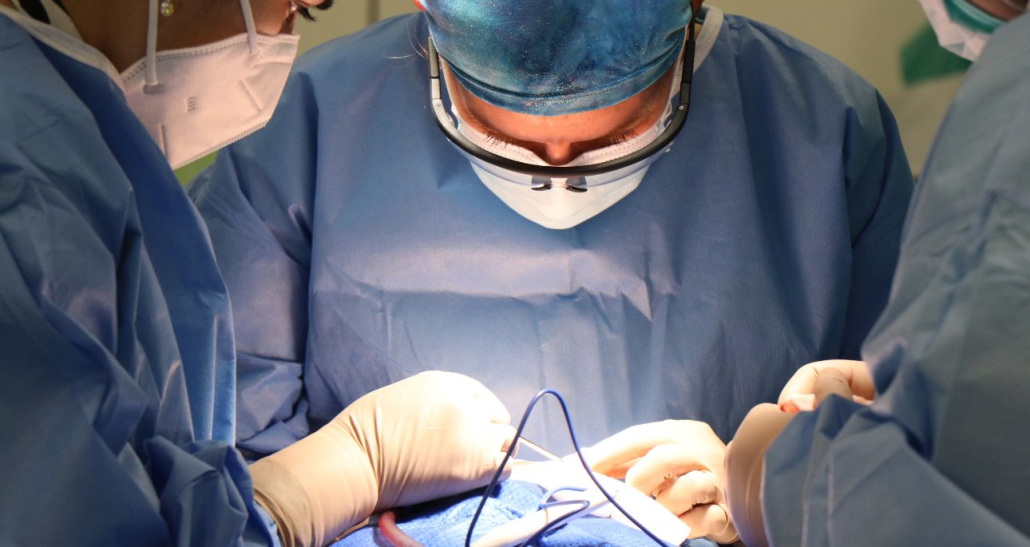
New data has suggested a steep rise in patients opting for private joint replacement surgeries in recent years.
According to the Private Healthcare Information Network, the independent, government-mandated organisation which publishes information about private consultants and hospitals, private hospitals now perform more joint operations than NHS hospitals, which represents a 171% increase in hip replacements and a 150% increase in knee replacements since 2019.
Pain is the dominant symptom of osteoarthritis, but it is also common to experience high levels of fatigue, stiffness, and loss of mobility which can have a profound impact on quality of life and our ability to work or even spend time with loved ones and which is why more and more men and women are searching for an alternative to the NHS waiting lists.
Another driving factor is thought to access to the latest technological advancements as private hospitals and consultants are increasingly offering robotic-assisted knee and hip replacements.
This access is very limited through the NHS, although Racer trials are currently being carried out by the Warwick Medical School at the University of Warwick, University Hospitals Coventry and Warwickshire (UHCW) NHS Trust, and the Royal Orthopaedic Hospital (ROH) in Birmingham, to assess the value of robotic-assisted surgery for the NHS.
Benefits of robotic assisted joint replacements
Robotic knee and hip replacement offer many benefits to the patient. These include:
- Greater precision: Robotic technology allows for a high degree of accuracy and precision as the surgeon has access to a pre-operative plan based on the patient’s unique anatomy. This promotes better bone alignment and soft tissue balancing.
- Minimal trauma: Robotic assisted joint replacement typically involves less trauma to surrounding tissues, blood vessels, nerves, muscles, and ligaments.
- Faster recovery: Reduced trauma means less downtime.
- Longer life: Greater accuracy decreases the risk of loosening and failure. Typically, patients say that the implant feels more natural which should decreases wear on the implant.
To find out if you’re suitable for a robotic joint replacement, call 07765190 703 or email Alazzawi@FortiusClinic.com to arrange a consultation with Mr Sulaiman Alazzawi.