

Hip Pain and Discomfort

Hip Pain and Discomfort

The hip is a large joint that supports your body, as you stand, walk, run, bend and stretch, so there are plenty of causes of hip pain. Hip pain involves any pain in or around the hip joint, but you may also feel pain in your groin, thigh or knee originating from a hip problem.
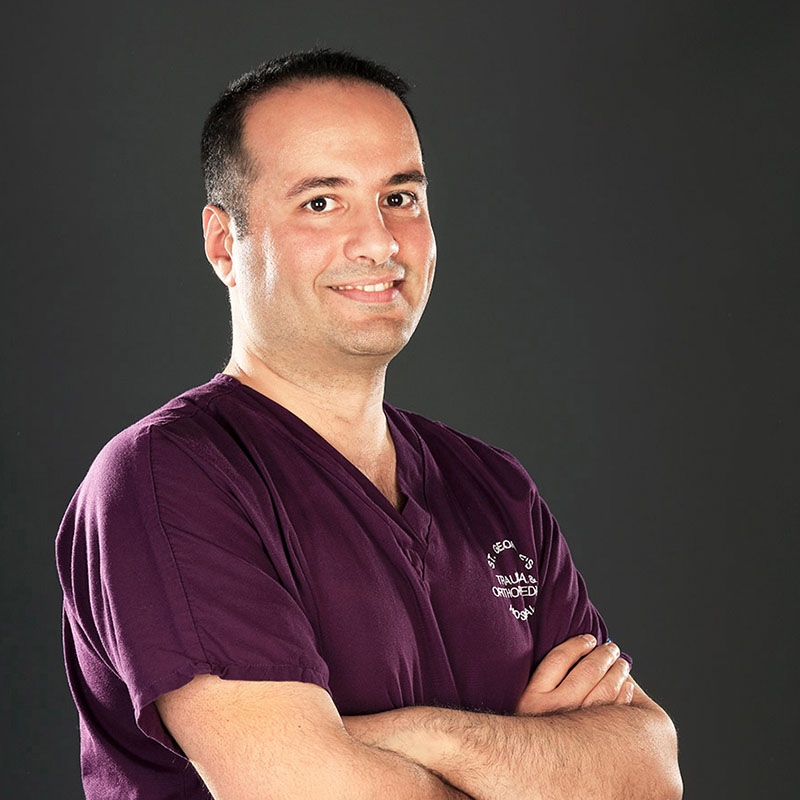
The most common cause of hip pain in adults which will typically require surgical intervention is osteoarthritis, commonly known as wear-and-tear arthritis.

When osteoarthritis affects the hip, it typically presents as:

• Mild inflammation of the tissues surrounding the hip joint
• Damage to cartilage, the resilient tissue lining the bones
• Development of bony growths (osteophytes) around the periphery of the hip joint

These will result in pain, stiffness, and challenges in performing specific activities.

Hip Pain FAQs

Osteoarthritis is the most common cause but, occasionally, hip pain may stem from:

  • Rheumatoid arthritis, autoimmune disease which attacks the cells in your joints making them stiff and swollen
  • A tear in the cartilage ring around the hip joint, known as a hip labral tear
  • Abnormally shaped hip bones which cause friction, known as femoroacetabular impingement
  • Hip dysplasia, where the hip joint is misshapen, or the hip socket does not adequately cover and support the top of the leg bone
  • Hip fracture, particularly common in older patients with weakened bones, leading to sudden hip pain
  • Reduced blood flow causing bone breakdown, referred to as osteonecrosis
  • Bone or joint infections like septic arthritis or osteomyelitis – immediate medical attention is necessary if accompanied by fever
  • Inflammation and swelling of the bursa, a fluid-filled sac over the hip joint, termed bursitis
  • Hamstring injury
  • Inflamed thigh ligament, often arising from excessive running, known as iliotibial band syndrome

Hip pain often improves with rest and over-the-counter pain relievers. It can sometimes be caused by overexercising, so also reduce excessive exercise, make sure you stretch before and after exercising and consider low-impact exercises like swimming or cycling instead of running.

If at-home measure do not improve symptoms, the first step is to arrange a consultation with a hip specialist to discover the underlying cause. Mr Sulaiman Alazzawi will take a full history of your symptoms, as well as perform a physical examination and order any relevant diagnostic tests and scans if required.

If you have a sudden onset of hip pain or a fever or rash accompanies ongoing hip pain, then seek arrange to see your local GP. If hip pain is the result of a severe fall or accident, the leg appears deformed, extensively bruised, or bleeding, you are unable to move the hip or bear weight on the leg, and you have a fever and feel unwell, you should seek immediate medical attention.

Leading Hip & Knee Joint Replacement Specialist

Mr Sulaiman Alazzawi is a Consultant Orthopaedic and Trauma Surgeon based at St Georges University Hospital and the South West Elective Orthopaedic Centre in Epsom. He specialises in hip and knee replacements and treating painful joint replacements. His private practice is based at Fortius Clinic and Parkside Hospital in Wimbledon and Spire St Anthony’s Hospital in Sutton.

London Joint Replacement Specialist