Mako Robotic Knee Surgery

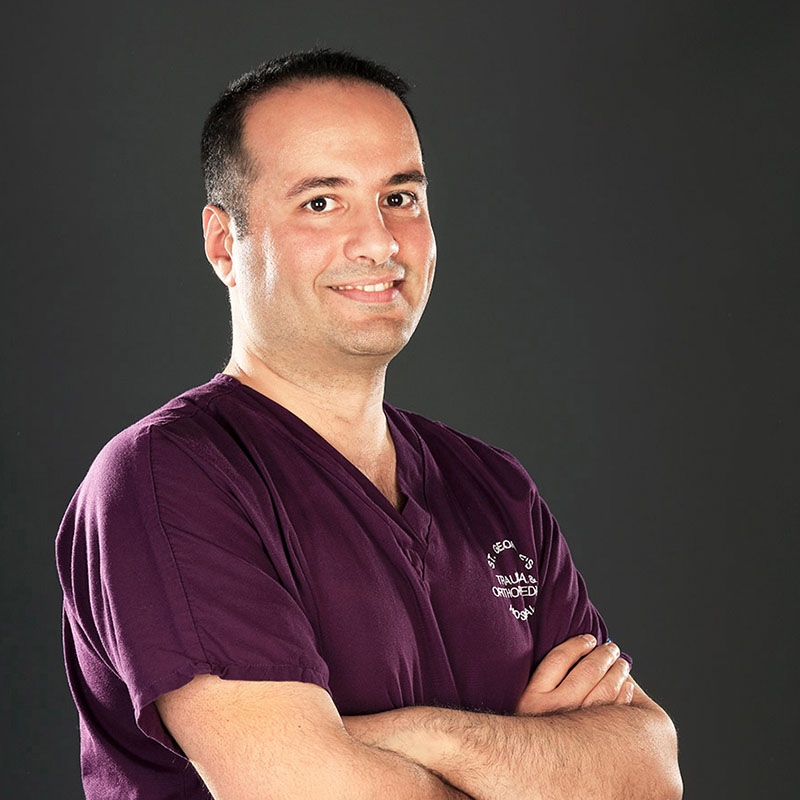
Mako Robotic Knee Replacement with Mr Sulaiman Alazzawi

Knee osteoarthritis, resulting from the wear of joint cartilage, causes pain and disability and knee replacement surgery is the most effective intervention when conservative methods fail to provide relief from associated symptoms.

In knee replacement surgery, damaged cartilage and bone are replaced with synthetic implants, restoring knee alignment and function. Mako Robotic-Arm Assisted Surgery enhances surgical precision, with a preoperative plan based on a patient’s unique anatomy and diagnosis.

A CT scan generates a 3D model used for meticulous planning, focusing on optimal implant positioning and size. During surgery, the surgeon refines the plan, ensuring the best alignment and soft tissue balance. Robotic arm-assisted cuts, within defined limits, minimise soft tissue damage, resulting in accurate implant positioning and increased reliability.

Clinical studies since the 2016 launch of the Mako total knee replacement application show reduced soft tissue damage, early pain, and blood loss compared to manual surgery. Patients report high satisfaction and improved functionality, with the knee feeling more normal.

Custom made implant knee replacement

Even small deviations in the knee joint’s anatomy can have a significant impact on its function. Standard knee replacement prostheses are available in a limited range of shapes and sizes. Although most patients will suit these implants, some have an atypical anatomy which requires a custom-made implant. For these patients, knee implants will be produced that are designed specifically for their knee joint, helping to preserve cartilage and bone structure.


Robotic Knee Replacement FAQs

The necessity for knee replacement arises when the knee joint’s wear or damage results in reduced mobility and persistent pain, even during periods of rest. Osteoarthritis is the most prevalent reason for knee replacement, with other conditions, such as rheumatoid arthritis, haemophilia, gout, and knee injuries, also warranting consideration.

Knee replacement is recommended when severe pain, swelling, and stiffness limit mobility, impacting daily life and sleep. If conventional treatments like physiotherapy or steroid injections prove ineffective, surgery becomes a viable option. Consideration is given if tasks like shopping or personal hygiene become challenging, leading to a diminished quality of life.

There are two primary types of knee replacement surgery based on the knee’s condition:

  • Total Knee Replacement (TKR): involves replacing both sides of the knee joint.
  • Partial (Half) Knee Replacement (PKR): Replaces only one side of the joint, requiring a smaller operation, shorter hospital stay, and quicker recovery.

While alternative surgeries exist, their long-term efficacy may not match that of knee replacement. Options include arthroscopic washout and debridement, osteotomy, and mosaicplasty. The choice depends on the individual case and will be discussed with the doctor.

Hospital stays typically last one to two days, with recovery times varying based on the surgery type and individual response. After discharge, patients receive guidance on at-home knee care, initial use of walking aids, and exercises from a physiotherapist. Full recovery, involving scar tissue healing and muscle restoration, may take up to a year.

Though knee replacement is generally safe, potential complications include knee stiffness, wound infection, deep joint infection requiring further surgery, unexpected bleeding, and damage to surrounding ligaments, arteries, or nerves. Blood clots, persistent pain, and fractures around the knee replacement are also rare but possible occurrences, necessitating corrective procedures in some cases.

After undergoing a knee replacement, many patients are keen to resume the sports and activities they previously enjoyed before experiencing the pain and lack of mobility caused by arthritis. Every patient is unique but generally Mr Alazzawi advises against returning to high impact sports such as rugby or football which have a high risk of falling or trauma. Running or jogging will wear the new joint out faster which must be balanced against the benefits of this exercise.

Low impact sports such cycling, hiking, swimming or golf, are encouraged as it is important to keep fit and active. Returning to these sports should only be undertaken when your healing has progressed and you have completed a rehabilitation protocol aimed at improving the flexibility and strength of your muscles and joints.

Leading Hip & Knee Joint Replacement Specialist

Mr Sulaiman Alazzawi is a Consultant Orthopaedic and Trauma Surgeon based at St Georges University Hospital and the South West Elective Orthopaedic Centre in Epsom. He specialises in hip and knee replacements and treating painful or failing joint replacements. His private practice is based at Fortius Clinic and Parkside Hospital in Wimbledon and Spire St Anthony’s Hospital in Sutton.

London Joint Replacement Specialist