Total Hip Replacement Surgery

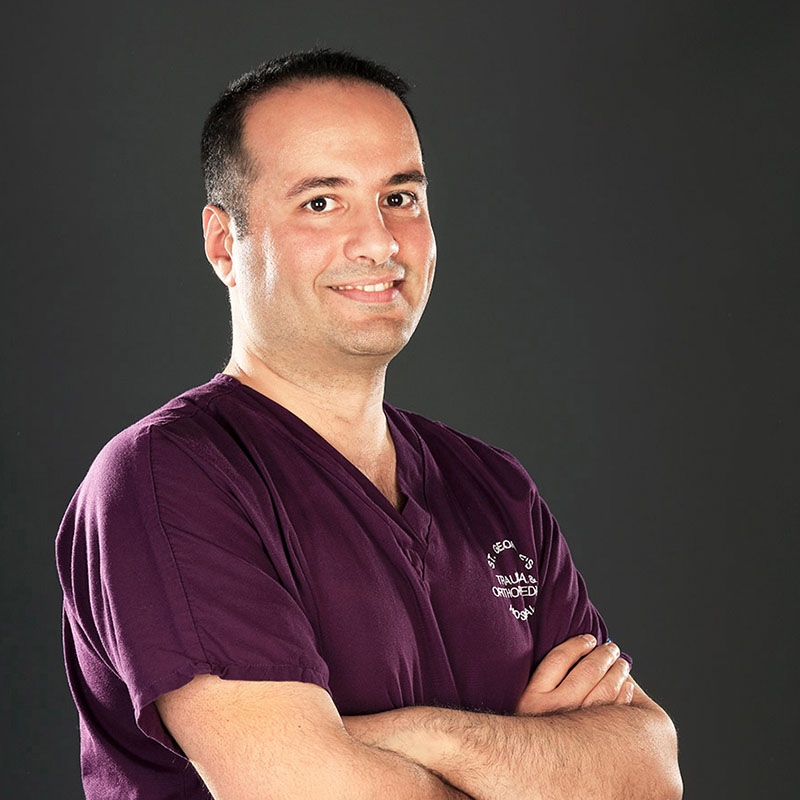
Total Hip Replacement Surgery with Mr Sulaiman Alazzawi

Total hip replacement is surgery to remove the damaged joint surfaces of the hip and replace them with prosthetic implants. Mr Sulaiman Alazzawi will remove and replace the head of the thighbone, known as the femoral head, and the damaged socket. There are many prosthetic devices and procedures available including Mako robotic hip replacement.

Mr Alazzawi will make a detailed assessment of your hip and recommend the replacement that best suits your hip and your lifestyle. Hip replacement surgery is usually a highly satisfactory procedure and gives excellent pain relief, while improving range of movement in the joint. Most patients will experience a significant improvement in quality of life and can even return the sports and activities they love.

Custom made implant hip replacements

Even small deviations in hip anatomy can have a significant impact on the function of the hip joint. Standard hip replacement prostheses are available in a limited range of shapes and sizes and, although it is true that most patients are served perfectly well with these implants, some patients have an atypical anatomy that requires a custom-made implant.

For these patients, prostheses will be produced that are individually designed specifically for their unique hip geometry and Mr Alazzawi will use pre-operative 3D imaging software to plan precisely the size, shape, angle and length.

Hip Replacement FAQs

Hip resurfacing has gained attention as a procedure where the acetabulum (socket) is replaced with a metal cup, and the femoral head (ball) is shaped to allow a metal surface replacement. This method aims to preserve femoral bone and reduce wear, potentially increasing implant survival.

However, concerns have been raised about the long-term effects of metal-on-metal bearing surfaces, with high levels of metal ions in the blood linked to certain cancers. Other potential issues include the risk of femoral neck fracture and the need for a larger incision compared to conventional hip replacement.

The benefits of hip replacement include the elimination or significant reduction of hip pain, improvement in life quality, the ability to return to normal daily activities and low-impact sports, pain-free sleep, enhanced leg strength, and years of reliable function.

Patients typically attend a preadmission clinic a few weeks before the scheduled operation date. Most hip replacements are done under a spinal anaesthetic combined with sedation, or a general anaesthetic if required.

Dislocating the hip to replace the damaged femoral head and acetabulum with prosthetic components. Post-operation, measures like drains, dressings, and preventive methods against blood clots are employed.

Post-operative pain is normal and can be managed with various methods. Bladder function may be temporarily affected after a spinal anaesthetic, requiring a catheter. Blood tests and X-rays are conducted to monitor blood levels and ensure proper implant positioning.

Physiotherapists assist in mobilisation and supervise exercise programs to ensure a successful recovery. Everyone recovers differently, but patients may be able to return to light activities or office-based work within around 6 weeks. Patients can usually return to all normal activities after 8-12 weeks, with a gradual return to low-impact sports.

While most patients do not experience complications, potential issues include infection, deep vein thrombosis (DVT), pulmonary embolus (PE), dislocation, leg length inequality, nerve damage, and wear. Complications are infrequent, and modern hip replacements are designed to last more than 25 years with minimal wear. Revision hip replacement may be necessary if wear leads to implant loosening and pain.

After undergoing a hip replacement, many patients are keen to resume the sports and activities they previously enjoyed before experiencing the pain and lack of mobility caused by arthritis. Every patient is unique but generally Mr Alazzawi advises against returning to high impact sports such as rugby or football which have a high risk of falling or trauma. Running or jogging will wear the new joint out faster which must be balanced against the benefits of this exercise.

Low impact sports such cycling, hiking, swimming or golf, are encouraged as it is important to keep fit and active. Returning to these sports should only be undertaken when your healing has progressed and you have completed a rehabilitation protocol aimed at improving the flexibility and strength of your muscles and joints.

Leading Hip & Knee Joint Replacement Specialist

Mr Sulaiman Alazzawi is a Consultant Orthopaedic and Trauma Surgeon based at St Georges University Hospital and the South West Elective Orthopaedic Centre in Epsom. He specialises in hip and knee replacements and treating painful or failing joint replacements. His private practice is based at Fortius Clinic and Parkside Hospital in Wimbledon and Spire St Anthony’s Hospital in Sutton.

London Joint Replacement Specialist