Mako Robotic Hip Replacement

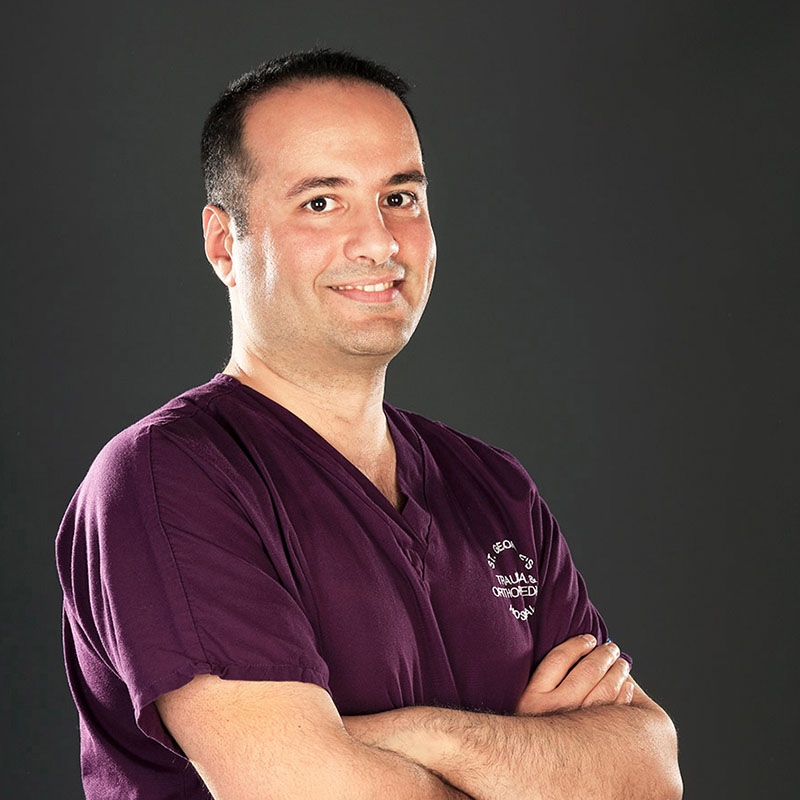
Mako Robotic Hip Replacement with Mr Sulaiman Alazzawi

Hip osteoarthritis is characterised by the deterioration of the cartilage lining in the hip joint, resulting in pain and decreased functionality. Maintaining an active lifestyle is a priority for many, and when hips are severely worn out, hip replacement surgery can be a life-changing procedure.

The introduction of robotic-assisted orthopaedic technology assists surgeons in achieving highly accurate, individualised results for each patient.

Hip surgery specialist Mr Sulaiman Alazzawi offers Mako Robotic Arm-Assisted Surgery for hip replacements to enhance surgical precision. First, Mr Alazzawi will order a CT scan to create a 3D model of the patient’s unique joint anatomy. This model guides the preoperative plan, focusing on optimal implant positioning and selecting the correct size based on the patient’s anatomy.

While the robot doesn’t replace the surgeon, it provides a platform for meticulous planning. The predefined area with clear boundaries ensures accurate hip implant placement, contributing to improved reliability and better functional results. Studies indicate that Mako-assisted surgery achieves more accurate component positioning, potentially leading to enhanced patient outcomes.

Custom made implant hip replacements

Even small deviations in hip anatomy can have a significant impact on the function of the hip joint. Standard hip replacement prostheses are available in a limited range of shapes and sizes and, although it is true that most patients are served perfectly well with these implants, some patients have an atypical anatomy that requires a custom-made implant. For these patients, prostheses will be produced that are individually designed specifically for their unique hip geometry and Mr Alazzawi will use pre-operative 3D imaging software to plan precisely the size, shape, angle and length.


Robotic Hip Replacement FAQs

Not every patient requires or benefits from robotic assistance, but for many people undergoing hip replacement, it can improve precision and outcomes. Suitability depends on factors such as your hip anatomy, the severity and pattern of your arthritis, and your overall health. The best way to find out if Mako is right for you is through a consultation, where your case can be assessed individually and any questions about the technology, its benefits, and its practical aspects can be answered.

Before surgery, detailed 3D imaging is used to build an accurate model of your hip, allowing the exact size, shape, and position of the implant to be planned in advance. During the operation, the Mako system acts as a navigation tool, providing real-time feedback so that each adjustment is made with millimetre precision.

It’s important to understand that the robot does not perform the surgery itself: Mr Alazzawi remains in full control throughout, with the technology simply enhancing accuracy and guidance to help achieve the best possible implant position.

Recovery follows a similar pathway to conventional hip replacement, with early mobilisation and physiotherapy playing a key role. Because Mako allows for more accurate implant placement, it may help reduce complications such as uneven wear or instability, which can support a smoother recovery and a more natural-feeling joint.

As with any hip replacement, individual recovery times vary, and Mr Alazzawi will discuss what to expect based on your specific case during your consultation.

Leading Hip & Knee Joint Replacement Specialist

Mr Sulaiman Alazzawi is a Consultant Orthopaedic and Trauma Surgeon based at St Georges University Hospital and the South West Elective Orthopaedic Centre in Epsom. He specialises in hip and knee replacements and treating painful or failing joint replacements. His private practice is based at Fortius Clinic and Parkside Hospital in Wimbledon and Spire St Anthony’s Hospital in Sutton.

London Joint Replacement Specialist