Avascular Necrosis

Avascular Necrosis

Avascular necrosis, also known as osteonecrosis, refers to the death of bone tissue resulting from insufficient blood supply, leading to microfractures and eventual collapse of the affected bone. This condition can be triggered by factors such as bone fractures, joint dislocations, prolonged use of high-dose steroid medications, and excessive alcohol consumption.

While avascular necrosis can affect individuals of any age, it is most prevalent in those between 30 and 60 years old, potentially causing significant long-term consequences due to its occurrence in a relatively young demographic.

In the early stages of avascular necrosis, individuals may not experience noticeable symptoms. As the condition progresses, pain in the affected joint may initially occur only under weight-bearing conditions, eventually extending to discomfort even during rest. The areas commonly affected include the hip, shoulder, knee, hand, and foot, with some individuals experiencing avascular necrosis in both hips and knees.

Avascular Necrosis FAQS

Various factors can contribute to avascular necrosis, including joint or bone trauma, fatty deposits in blood vessels obstructing blood flow, and certain medical conditions like sickle cell anaemia and Gaucher’s disease. However, the cause remains unknown in about 25% of cases.

Risk factors for developing avascular necrosis encompass trauma, high-dose steroid use, excessive alcohol consumption, long-term use of bone-density-increasing medications, radiation therapy for cancer, and certain medical conditions such as pancreatitis, diabetes, HIV/AIDS, systemic lupus erythematosus, and sickle cell anaemia.

Reducing known risk factors can help prevent the development of avascular necrosis as well as improve your general health:

  • Limit alcohol consumption: Heavy drinking is one of the top risk factors for developing avascular necrosis.
  • Keep your cholesterol levels low: Tiny bits of fat are the most common substance blocking blood supply to bones.
  • Monitor steroid use: Make sure your health care provider knows about your past or present use of high-dose steroids. Steroid-related bone damage appears to worsen with repeated courses of high-dose steroids.
  • Quit smoking: Smoking narrows blood vessels, which can reduce blood flow.

Treatment aims to prevent further bone loss, and the approach depends on the extent of existing damage. In the early stages, medication and therapy, including nonsteroidal anti-inflammatory drugs, osteoporosis drugs, cholesterol-lowering drugs, and blood thinners, may be recommended. Rest, exercises, and electrical stimulation can also help manage symptoms.

For advanced cases, surgical interventions may be necessary. Options include core decompression to stimulate healthy bone tissue production, bone transplant or grafting, bone reshaping or osteotomy to shift weight off the damaged bone, joint replacement using plastic or metal parts, and regenerative medicine treatments involving the insertion of stem cells to encourage new bone growth.

Innovative procedures like bone marrow aspirate and concentration are being explored for early-stage avascular necrosis of the hip, aiming to remove dead bone tissue and replace it with harvested stem cells during surgery, potentially fostering the growth of new bone tissue.


Leading Hip & Knee Joint Replacement Specialist

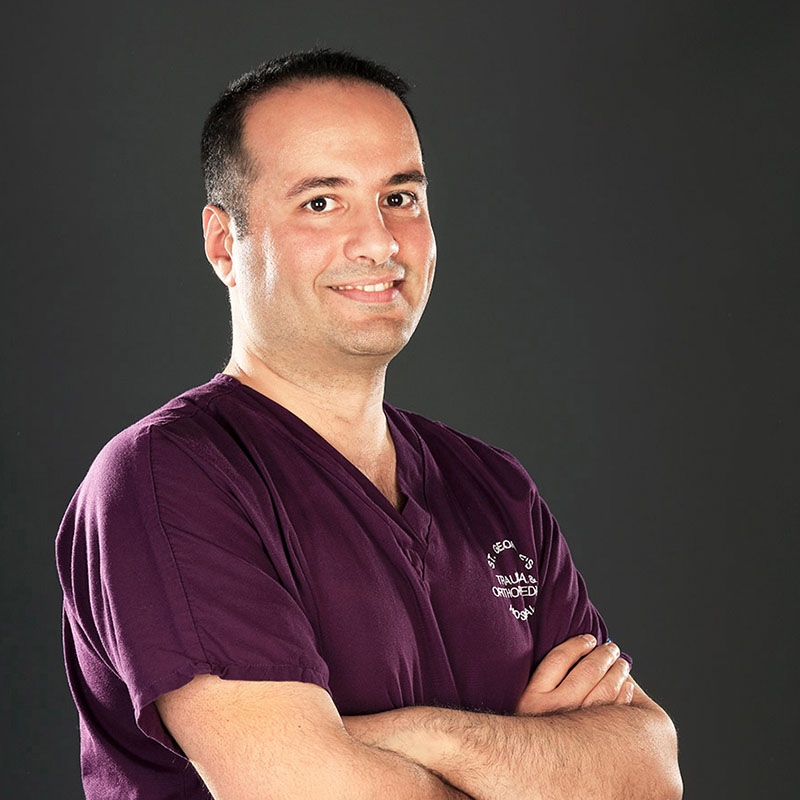
Mr Sulaiman Alazzawi is a Consultant Orthopaedic and Trauma Surgeon based at St Georges University Hospital and the South West Elective Orthopaedic Centre in Epsom. He specialises in hip and knee replacements and treating painful or failing joint replacements. His private practice is based at Fortius Clinic and Parkside Hospital in Wimbledon and Spire St Anthony’s Hospital in Sutton.

London Joint Replacement Specialist