What should I avoid after a knee replacement?
Every year, over 100,000 knee replacements are carried out in the UK, according to the National Institute for Health and Care Excellence (NICE). If you’re one of the many people who have undergone this procedure, you’re likely looking forward to less pain and improved mobility.
While a knee replacement can greatly improve your quality of life, it’s important to be mindful of certain activities to protect your new joint.
Here you’ll discover the things to avoid ensuring the best possible recovery and long-term success of a knee replacement surgery.
How much physical activity is OK after a knee replacement?
Finding the right balance of activity after your knee replacement is important. Doing too little can lead to stiffness and weakened muscles around your knee, which may slow down your recovery. Staying active with gentle exercises like walking, swimming, or cycling can help maintain flexibility and strength. Attending physiotherapy sessions and following the recommended exercises at home will also promote healing and keep your knee moving smoothly.
On the other hand, pushing yourself too hard can strain your new joint. It’s important to listen to your body. If you feel pain or excessive fatigue, it may be a sign to slow down.
High-impact activities such as running, jumping, or intense aerobics can put too much pressure on your new knee and should be avoided. Be cautious with heavy lifting too, as carrying heavy objects can strain your knee joint unnecessarily.
Striking the right balance helps you regain strength without compromising your new joint. If you’re unsure about any activity, it’s always best to consult your physiotherapist or surgeon.
Avoid activities that may cause a fall
Falls can be particularly hazardous after a knee replacement. A study published in the Physical Therapy & Rehabilitation Journal found that 17.2% of 134 people who had undergone a knee replacement fell at least once within six months of their operation.
Be cautious on uneven surfaces like pavements, loose rugs, or cluttered floors that could trip you up. Wet or slippery floors pose a risk too, so using non-slip mats in the bathroom and cleaning up spills quickly can help prevent accidents. When using stairs, always use handrails and consider installing them if they aren’t already in place.
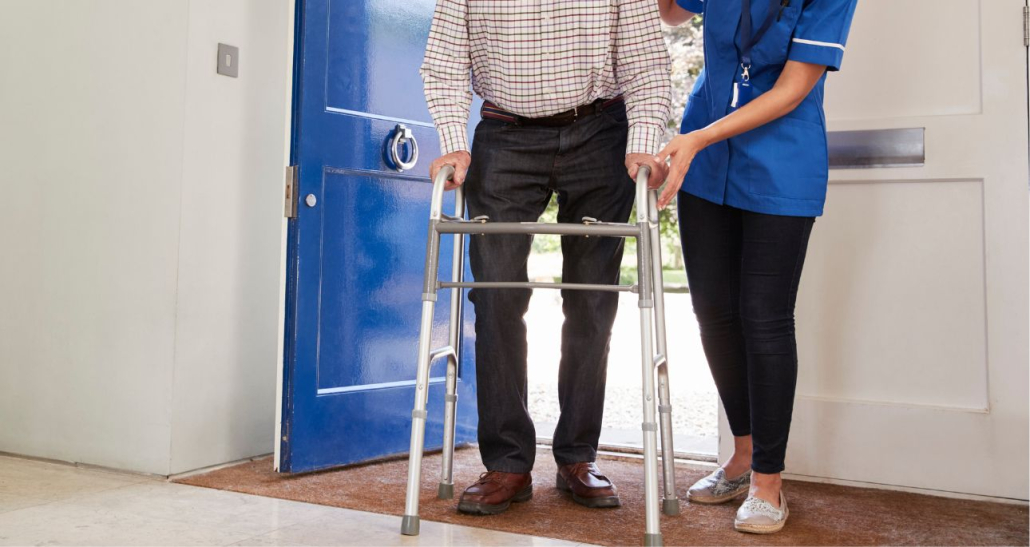
Wearing appropriate footwear with good grip can prevent slips, and using assistive devices like canes or walking sticks can provide extra stability during your recovery. Improving home safety by ensuring your living space is well-lit and free of obstacles can further reduce the risk of falls. By taking these precautions, you reduce the likelihood of injuries that might set back your recovery and help ensure a smoother healing process.
Kneeling and prolonged sitting
Certain positions can place unnecessary stress on your new knee, so it’s wise to adjust some habits to keep your joint comfortable. Avoid kneeling, when possible, as it can put direct pressure on your knee joint and may cause discomfort or damage over time. If you need to perform tasks that typically require kneeling, consider using long-handled tools or sitting on a sturdy stool instead of crouching down.
Prolonged sitting can also lead to stiffness in your knee. Try to stand up and move around at least once an hour to keep your knee flexible. When choosing seating, opt for chairs that are at a comfortable height to make sitting down and standing up easier, and avoid low sofas that make you bend your knees excessively.
Incorporating gentle stretches into your routine can keep your muscles flexible, and setting reminders to move if you tend to lose track of time can be helpful. Making these small adjustments to your daily routines can significantly enhance your comfort and protect your knee in the long run.
If you’re considering a knee replacement or have questions about life after surgery, schedule an appointment with Mr Alazzawi today. Taking the right steps now can set you on the path to a smoother recovery and a more comfortable future.