Returning to sports after joint replacement

Replacing a worn-out hip or knee can feel like getting a fresh start. Pain fades, movement becomes smoother, and many people discover they can be more active than they were for years before surgery. But what does ‘active’ really look like after a joint replacement?
How soon can you expect to walk unaided, get back to work, or even lace up for a jog?
Drawing on recent research, and on Mr Alazzawi’s rapid-recovery pathway, described in his earlier blog, we’ll map out realistic timelines and share tips for regaining the active life you love.
Laying the foundations: The first 6–12 weeks
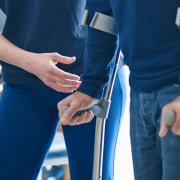
In the first few days you’ll focus on short walks, gentle range-of-motion exercises, and safe stair climbing. Thanks to modern surgical techniques and multimodal pain control, many patients leave hospital within 24 hours and move from a frame to sticks in a matter of days.
Mr Alazzawi’s rapid-recovery programme emphasises early physiotherapy and clear home-exercise routines, helping most patients reach milestones such as walking a kilometre unaided and climbing a flight of stairs, by the six-week review.
Around weeks 8–12 the gains accelerate. Swelling settles, sleep improves, and confidence grows with each outing. At this stage many people add low-impact cardio such as static cycling and begin light strength work for the glutes and quadriceps.
These activities build the muscular support your new joint needs for the next step – returning to everyday life, and finally sport, without fear.
Hitting the three-month milestone
Large observational studies give us a useful snapshot of what most patients achieve by three months. One recent study followed more than 2,000 people after total hip replacement and found that 80% had resumed normal daily activities, 70% were back at work, and 50% had already restarted some form of sport by the 12-week mark.
Light gardening, driving, supermarket shopping, and desk-based jobs usually feel comfortable around this point, while activities demanding deeper knee or hip flexion like doubles tennis or a round of golf, often need another month or two.
These statistics are averages, not promises.
Age, overall fitness, body-mass index, and the quality of pre-surgery muscle all shape individual progress. Still, knowing that half of patients are active in sport so soon can be reassuring while you’re working through the early aches and balance issues.
Workouts to sport: A step-by-step return after joint replacement
Once pain levels are low and muscle control has improved, many people look beyond rehab exercises to proper sport.
A phased approach keeps your new joint safe. Here’s what that should look like:
Low impact first: Brisk walking, pool sessions, or the cross-trainer can restore cardiovascular fitness without jarring the implant.
Strength and plyometrics: Adding squats, lunges, and light hops (under supervision) prepares the joint for increased forces.
Sport-specific drills: Short practice swings for golfers, mini rallies for racquet-sport players, or short jog-walk intervals for runners ease the transition.
It’s important to increase volume gradually, adding no more than 10% distance or time each week. Listen to warning signs too. Swelling inside the joint, sharp pain that alters gait, or lingering night pain means it’s time to back off and ask for advice.
The road ahead after joint replacement
Twelve months after joint replacement surgery, most people describe their new joint as ‘part of me.’ They walk as far as they like, climb stairs without thinking, and enjoy recreational sports, often at a higher level than they managed in the years before replacement.
Everyone’s recovery is personal. Some reach these targets in months; others take a little longer. Wherever you fall on that spectrum, the principles remain the same. Follow a structured rehab plan and always follow your surgeon’s advice.
If you have any questions about joint replacement surgery and returning to an active lifestyle, book an appointment with Mr Sulaiman Alazzawi.