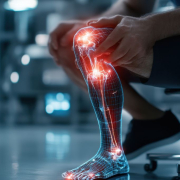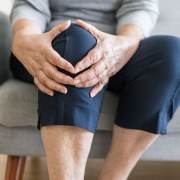
The rise of arthritis in younger adults

When most people think of arthritis, they picture older adults struggling with stiff knees or aching hips. But the reality is that arthritis is no longer just a condition of old age.
A growing number of younger, active adults are being diagnosed with arthritis, often after sports injuries or lifestyle-related wear and tear.
In this blog, we’ll explore why joint pain is becoming more common in younger people, how to spot early signs, and the steps you can take to protect your joints, including when it might be time to consider surgical options.
The rise of arthritis in younger adults
New research shows that hip arthritis is increasingly affecting younger adults. A large study found a significant rise in hip osteoarthritis (OA) among people under 50, even while knee arthritis rates were falling across the general population.
This shift is thought to reflect changes in lifestyle, including the rise in sports injuries, higher rates of obesity, and the long hours many of us spend sitting during work or study.
The link between joint injury and later arthritis is especially strong. A major review published in the British Journal of Sports Medicine found that young adults who sustain knee injuries, especially cruciate ligament (ACL) or meniscal (cartilage) tears, have up to six times greater risk of developing knee osteoarthritis later on.
This highlights just how important injury prevention, proper rehabilitation, and early treatment are when it comes to protecting your joints for the future.
Joint pain isn’t something that should be brushed off as a temporary setback, no matter how old you are. If left unchecked, early joint damage can quietly progress, leading to more serious problems.
Spotting the early signs of arthritis
Many young adults live with early arthritis symptoms without realising it. If you’re regularly feeling joint stiffness, aching that worsens after activity, swelling around the joint, or a sensation of grinding or locking, it’s worth getting it checked. These signs don’t necessarily mean you have arthritis, but catching issues early means you have more options to slow or even prevent further damage.
Prevention starts with looking after your joints during everyday activities and sport. If you play high-impact sports like football, netball, or rugby, focusing on strengthening the muscles around the joints can reduce the risk of injury. Regular strength training, especially for the hips, glutes, and quadriceps, can give joints better support and absorb shock more effectively.
Proper technique also matters. Whether it’s landing safely from jumps or maintaining good form during weightlifting, learning correct biomechanics through a physiotherapist or coach can reduce unnecessary strain. For those with busy, desk-based lifestyles, adding regular movement breaks into your day can ease pressure on the hips and knees, helping to maintain flexibility and blood flow.
Nutrition plays a role too. Keeping a healthy weight reduces the load on your joints. Every extra kilogram puts an added three to four kilograms of force through the knee with every step. An anti-inflammatory diet, rich in fruits, vegetables, oily fish, and whole grains, can help manage inflammation and keep your joints healthy over the long term.
When does arthritis require joint surgery?
In many cases, early arthritis can be managed with non-surgical treatments like physiotherapy, medication, and lifestyle changes. However, if pain starts to limit your daily life, stops you from working, exercising, or sleeping properly, or if scans show significant joint damage, surgery may be worth discussing.
For younger patients, joint-preserving surgeries are often considered first. These can include procedures to repair cartilage, realign bones, or stabilise ligaments, all aimed at delaying the need for a full joint replacement. When joint replacement does become necessary, outcomes for younger adults are generally positive.
Modern surgical techniques, combined with rapid recovery programmes like those Mr Alazzawi offers, mean patients can return to active, fulfilling lives, even after major procedures like hip or knee replacements.
It’s also important to remember that early surgical intervention in certain cases, such as repairing a torn ACL promptly, can actually reduce the risk of arthritis developing later by restoring stability and preventing abnormal wear inside the joint.
Joint pain in your 20s, 30s, or 40s is not something to ignore. Schedule a consultation with Mr Alazzawi today to determine the root cause and best treatment approach for your joint pain.