Direct Anterior Hip Replacement – common questions answered

The Direct Anterior Approach (DAA) to total hip replacement is a muscle-sparing technique that allows surgeons to access the hip joint by working between natural tissue planes rather than cutting muscle. This innovative approach has become increasingly popular for patients seeking a hip replacement that supports early recovery, reduced pain, and a quicker return to normal activities.
To help patients understand what makes this approach different and whether it may be suitable for them, we’ve put below answers to some common questions about DAA hip replacement.
What makes the Direct Anterior Approach different?
Unlike traditional approaches, the Direct Anterior Approach accesses the hip joint from the front of the body, preserving surrounding muscles and tendons. Because muscle tissue isn’t cut, this technique tends to reduce surgical trauma and supports faster early functional recovery. Patients often report less pain and greater confidence with early mobility compared to other approaches.
What are the benefits of Direct Anterior Hip Replacement?
Common benefits reported by patients include:
- Reduced postoperative pain and swelling
- Faster return to walking and everyday activities
- Fewer movement restrictions during early recovery
- Lower risk of hip dislocation due to preserved musculature
Clinical evidence suggests that patients undergoing DAA may experience improved short-term functional outcomes compared with traditional approaches. For example, better hip function scores and quality of life measures at three months after surgery.
Is it suitable for everyone?
DAA is not suitable for every patient. Optimal candidates are typically those with favourable anatomy and a hip condition that lends itself to an anterior approach. Factors such as body habitus, previous hip surgery and existing hip deformity are taken into account.
During your consultation, Mr Sulaiman Alazzawi will assess whether DAA is appropriate for you.
What are the potential risks?
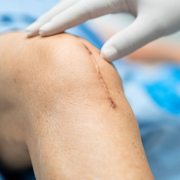
Like all surgical techniques, the Direct Anterior Approach carries risks including infection, blood clots, nerve irritation or fracture. Some patients may experience numbness around the incision site due to nerve stretch, which generally improves with time. Importantly, studies show similar long-term complication rates when compared with other approaches, provided the procedure is performed by an experienced surgeon.
What is the recovery like after DAA Hip Replacement?
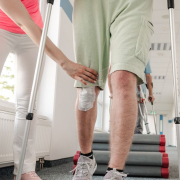
Recovery after DAA can feel more natural because muscle tissue is preserved. Many patients are encouraged to stand and walk on the day of surgery with physiotherapy support, and hospital stays often match or are slightly shorter than with other approaches. Ongoing rehabilitation continues at home with targeted exercises to build strength and joint mobility.
What rehabilitation is needed after DAA surgery?
Physiotherapy after DAA focuses on progressive strengthening, flexibility and gait training. Typically, patients work with a physiotherapist early and continue a tailored programme at home. Early engagement in rehabilitation helps reduce stiffness and supports a smooth return to activities like walking, climbing stairs, and light recreational pursuits.
If you’re planning hip replacement, schedule a consultation with Mr Alazzawi to find out more about DAA surgery.