What recovery can you expect after Direct Anterior Hip Replacement

If you are considering hip replacement surgery, understanding the recovery process is just as important as the procedure itself. The Direct Anterior Approach (DAA) is increasingly chosen for its muscle-sparing pathway, which may contribute to a more comfortable early recovery period.
Below, we outline what you can expect after surgery, and look at recent research evidence that supports the benefits of this approach.
What to expect immediately after surgery
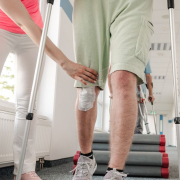
One of the hallmark benefits of the Direct Anterior Approach is that it spares major muscle groups around the hip. This muscle preservation often means less pain and reduced swelling compared with traditional approaches. Many patients are able to stand and take their first assisted steps on the day of surgery or the day after, with the support of a physiotherapist. Early mobilisation is a key part of recovery and helps reduce risks such as blood clots and stiffness.
Early mobility after DAA Hip Replacement
Most patients who undergo DAA hip replacement are ready to leave hospital within one to three days, depending on individual circumstances. Research shows that patients treated with DAA, when included in enhanced recovery protocols, may exhibit superior early outcomes in terms of pain control and ambulation – including device independence – when compared with posterior approaches, with similar complication rates.
Systematic reviews and matched studies have also reported that patients recovering from DAA surgery demonstrate better early functional scores and quality of life measures by three months compared with those who underwent other surgical approaches.
Pain management
Experiencing some discomfort in the first few weeks is completely normal and part of the healing process. Pain typically diminishes gradually as you continue rehabilitation. Unlike older techniques that involve muscle detachment, the muscle-sparing nature of DAA often means patients require less postoperative analgesia, allowing a more active and engaged recovery programme.
Rehabilitation at home
Once discharged, most patients follow a structured physiotherapy plan. Early goals include:
- Regaining confidence in walking and balance
- Improving range of motion
- Building strength around the hip and core muscles
Getting outside for short walks and gradually increasing distance helps reinforce progress and supports cardiovascular health. Your physiotherapist will guide you through appropriate strengthening exercises and activity progression.
Returning to daily life
While recovery timelines vary, many patients are back to most daily activities within 6 to 8 weeks, with continued improvement in strength and endurance over the following months. A positive mindset, adherence to rehabilitation exercises and regular follow-ups with your surgical team all contribute to a successful recovery.
Importantly, comparative research indicates that while early functional benefits may be more pronounced with the Direct Anterior Approach, long-term outcomes are similar across surgical approaches when performed by experienced surgeons. This means that while early mobility may be enhanced, the overall success and durability of hip replacement remain excellent.
Schedule a consultation with Mr Alazzawi today to learn more.