Can you ever cross your legs after a hip replacement?

Every year, thousands of people undergo hip replacement surgery to relieve pain and restore mobility lost to arthritis or injury.
If you’re considering a hip replacement, or have recently undergone one, you may wonder about the dos and don’ts post-surgery.
One common question that patients have, is can you ever cross your legs after a hip replacement?
In this blog we’ll explore the leg movements to avoid after a hip replacement, the role of physiotherapy, and tips to adapt to your new hip.
Leg movements to avoid after hip replacement
After a hip replacement, certain movements can put stress on your new joint and increase the risk of dislocation. Crossing your legs is one of those movements to be mindful of.
When you cross your legs, you bring your hip joint into a position that can stress the surrounding muscles and ligaments. This position can potentially cause the new joint to dislocate, particularly if the surgery was recent and the tissues are still healing.
It’s recommended to sleep on your back, or on the non-operated side. Placing a pillow between your knees can also prevent you from crossing your legs unconsciously during sleep.
As you heal and strengthen the muscles around your hip, your surgeon or physiotherapist may give you the green light to resume more natural movements, including crossing your legs gently. However, this typically isn’t recommended until several months after surgery, and even then, it’s important to proceed with caution.
The power of physiotherapy in your recovery
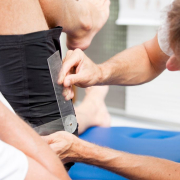
Physiotherapy is a crucial component of your recovery. A tailored exercise program helps strengthen the muscles around your new hip, improves flexibility, and promotes healing.
Guided exercises help you regain range of motion in your hip joint. Building muscle strength also supports your new joint and reduces the risk of dislocation.
A physiotherapist can adjust your exercise plan based on your progress and any challenges you face.
Adapting to life with a new hip
Living with a hip replacement may take some getting used to, but many people find they can return to most of their favourite activities with time.
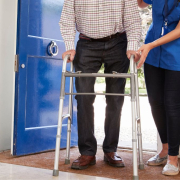
Simple changes like installing grab bars in the bathroom or using a raised toilet seat can make daily tasks easier and safer. Being aware of how you move throughout the day also helps protect your hip. This includes avoiding sudden twists or pivoting on your operated leg.
Make sure you keep up with follow-up appointments to monitor your hip’s condition and address any concerns quickly.
When to seek medical advice
It’s important to contact your surgeon if you experience any sudden pain or swelling, decreasing mobility or signs of infection (redness, warmth or discharge around the incision site).
Early intervention can prevent complications and keep your recovery on track.
So, it isn’t recommended to cross your legs after a hip replacement during the initial healing period. But many patients find they can resume more natural movements over time with proper care and guidance. The key is to follow your surgeon’s advice.
Remember, everyone’s recovery is different. If you have questions or concerns about your specific situation, don’t hesitate to contact Mr Alazzawi.