Rapid recovery after hip replacement surgery

Hip replacement surgery, also known as total hip arthroplasty, has become a common and highly effective procedure to relieve pain and improve mobility for patients suffering from hip joint damage due to arthritis, injury, or other degenerative conditions.
Advances in surgical techniques, pain management, and rehabilitation protocols have significantly reduced recovery times, enabling patients to regain their quality of life more quickly.
Rapid recovery after hip replacement surgery is achievable through a combination of preoperative preparation, minimally invasive surgical approaches, postoperative care, and adherence to a personalised rehabilitation plan.
Preoperative Preparation
The foundation for a swift recovery begins before surgery. Patients are encouraged to focus on physical fitness, weight management, and overall health to enhance their body’s ability to heal.
Prehabilitation, which involves strengthening the muscles around the hip joint and improving cardiovascular fitness, can be particularly beneficial. Additionally, patients should discuss their medical history, medications, and lifestyle habits with their healthcare team to address any risk factors that may complicate recovery.
Education plays a critical role in preoperative preparation. Attending pre-surgical classes or consultations helps patients understand the procedure, set realistic expectations, and familiarise themselves with the recovery process. This proactive approach reduces anxiety and ensures patients are better equipped to participate in their rehabilitation.
Advances in Surgical Techniques
Modern surgical techniques have revolutionised hip replacement procedures, reducing tissue damage and facilitating quicker recovery. These techniques result in less postoperative pain, reduced blood loss, and shorter hospital stays.
Moreover, the use of advanced materials and prosthetic designs has improved the durability and functionality of artificial hip joints. Computer-assisted navigation systems further enhance surgical precision, ensuring better alignment and long-term outcomes.
Postoperative Care and Pain Management
Effective pain management is crucial for a rapid recovery. Multimodal analgesia, which combines different types of pain relief methods, is commonly employed to minimise discomfort while reducing reliance on opioids. Techniques such as nerve blocks, local anesthetics, and nonsteroidal anti-inflammatory drugs (NSAIDs) allow patients to begin moving soon after surgery.
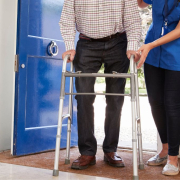
Early mobilisation is a cornerstone of postoperative care. Patients are often encouraged to stand and take a few steps within hours of their surgery. This not only prevents complications such as blood clots and muscle atrophy but also promotes confidence and a sense of progress.
Rehabilitation and Physical Therapy
A well-structured rehabilitation program tailored to the patient’s individual needs is essential for restoring strength, flexibility, and range of motion. Physical therapy typically begins in the hospital and continues on an outpatient basis for several weeks. Exercises focus on strengthening the hip, improving balance, and gradually increasing activity levels.
Patients are also encouraged to incorporate low-impact activities, such as walking, swimming, or cycling, into their daily routines once cleared by their healthcare providers. These activities help maintain overall fitness and prevent stiffness in the new joint. Adherence to prescribed exercises and precautions is critical to avoiding complications and achieving the best possible outcomes.
Lifestyle Adjustments and Long-Term Recovery
Rapid recovery after hip replacement surgery also depends on the patient’s commitment to making necessary lifestyle adjustments. Maintaining a healthy weight reduces stress on the new joint, while a balanced diet rich in protein, vitamins, and minerals supports tissue repair and bone health. Smoking cessation and limiting alcohol consumption further enhance the healing process.
Patients should remain vigilant about potential warning signs, such as persistent pain, swelling, or signs of infection, and seek prompt medical attention if needed. Regular follow-up appointments with the surgeon ensure that the joint is functioning properly and that any issues are addressed early.
Your First Step to Rapid Recovery After Hip Replacement
Rapid recovery after hip replacement surgery is a collaborative effort between the patient and their healthcare team. By combining preoperative preparation, advanced surgical techniques, effective pain management, and a dedicated rehabilitation program, patients can achieve significant improvements in mobility and quality of life within a relatively short period. With a proactive mindset and adherence to medical advice, most individuals can resume their daily activities and enjoy long-term benefits from their new hip joint.