I had the honour of participating in the World Experts Meeting to Decipher Controversies in Joint Arthroplasty, which took place 30 – 31 August in the beautiful city of Istanbul. This event brought together arthroplasty surgeons from across the globe.

The meeting involved the presentation of the best available evidence on various aspects of hip and knee arthroplasty. Experts debated and voted on 64 key questions, aiming to reach a consensus on what constitutes the best clinical practice based on current data. These discussions were highly insightful, and the conclusions drawn will play a pivotal role in shaping future approaches to joint replacement surgery.

It was great catching up with colleagues and friends from around the world. A special note of appreciation goes to the organisers for their excellent hospitality. Istanbul, with its rich history and stunning architecture, provided the perfect backdrop for this world-class meeting.

For more information about the meeting, you can visit the official site: WEM-A.

A total knee replacement is a common procedure used to treat those suffering from severe knee pain or arthritis. While the primary goal is to relieve pain and improve function, many people, especially athletes, wonder if they can return to their favourite sports after surgery.

The good news is that with the right approach, it is possible to get back to an active lifestyle, even after a knee replacement.

In this blog, we’ll address common questions about playing sports post-surgery, including how soon you can return and what types of sports are recommended.

How soon can I return to sports after surgery?

One of the most common questions patients ask is how soon they can return to sports after a knee replacement procedure. The recovery process varies depending on the individual, but generally, you’ll be able to begin low-impact activities, like walking or swimming, within a few weeks of surgery.

However, it’s important to note that returning to more intense sports or activities, such as running or tennis, will require a longer recovery period.

We recommend waiting at least three to six months before resuming any high-impact sports. This allows the knee to fully heal and ensures that the implant is securely in place. The key to a successful return is to follow your surgeon’s post-operative guidelines. Also, working closely with a physical therapist to gradually build strength and flexibility in your knee.

What sports are safe after knee replacement?

Low-impact sports are generally considered safe and can provide excellent cardiovascular benefits without putting too much strain on the knee joint.

Low-impact sports

Swimming – Swimming is one of the best exercises you can do after a knee replacement. It’s gentle on the joints while providing a full-body workout that improves cardiovascular health, strength, and flexibility.

Cycling – Whether on a stationary bike or outdoors, cycling is another great option. It helps maintain joint mobility and strengthens the muscles around the knee without causing excessive impact.

Golf – Many patients return to playing golf after knee replacement surgery. The slow-paced nature of the sport and the low impact on the knees make it an ideal activity for those recovering from surgery.

High-impact sports

While low-impact sports are generally safe, high-impact activities should be approached with caution. Sports that involve running, jumping, or sudden changes in direction can put significant stress on the knee joint and increase the risk of injury. However, some athletes have successfully returned to these activities after knee replacement.

For example, Wayde van Nierkerk, the South African 400m runner, who tore his ACL playing rugby at the age of 25. After a knee replacement operation, the Olympic and world champion was back winning medals on the track. Novak Djokovic returned to Wimbledon just three weeks after knee surgery for a damaged meniscus. This just goes to show that not all knee surgeries are the same. With the right care and dedicated rehabilitation, it is possible to return to high-impact sports, though it may not be advisable for everyone.

How Have Athletes Successfully Returned to Sports After Knee Replacement?

Famous athletes like Wayde van Nierkerk have shown that returning to sports after a knee replacement surgery is possible. But it requires dedication and a carefully managed recovery plan.

The key to their success lies in following a structured rehabilitation program, listening to their bodies, and gradually increasing their activity levels. Athletes often work with a team of physical therapists, trainers, and medical professionals to ensure their recovery is on track.

For non-professional athletes, the same principles apply. It’s important to work closely with your healthcare team, stay committed to your rehabilitation, and return to sports when your knee is ready.

If you’re considering knee replacement surgery or want to discuss your return to sports, get in touch. Schedule an appointment with Mr Sulaiman Alazzawi today.

When pain, swelling, and stiffness in the knee joint significantly restrict mobility and interfere with daily activities and sleep, a total knee replacement surgery may be the best solution to restore function and alleviate pain.

After total knee replacement surgery, upon returning home from hospital, day to day chores may prove extra challenging in the initial healing period.

Whether you can stay alone after a total knee replacement depends on several factors, including your overall health, mobility, and the availability of support if needed.

Here are some key considerations:

1. Initial Recovery Period

Most patients stay in the hospital for one or two days after the surgery. During this time, medical staff will monitor your recovery and help you with pain management and physical therapy. Prior to discharge, you need to be mobile safely and confidently and be able to use the bathroom and the stairs.

2. Mobility and Safety

Those who are able to walk without walking aids prior to surgery are more likely to be more mobile after surgery. During the first few days after surgery, you may need to use crutches or walking sticks. However, for those whose pre-operative walking is limited and relies on walking frame, they may require additional support during the early weeks after surgery

3. Home Setup

Your home should be set up to minimise the risk of falls. Remove tripping hazards like rugs, ensure that essentials are within easy reach, and consider safety equipment like grab bars in the bathroom.

4. Physical Therapy

You’ll need to perform exercises regularly, which might be challenging alone. Having someone to assist or supervise can be helpful.

5. Daily Living Activities/Household Tasks

Cooking, cleaning, and other household chores might be difficult to manage alone initially. You might need assistance or plan for ready-made meals and cleaning services.

6. Personal Care

Bathing and dressing can be challenging, particularly in the first few weeks.

7. Emergency Preparedness/Access to Help

Ensure you have a way to call for help in case of an emergency, such as a phone within reach at all times. It’s a good idea to arrange for someone to check in on you regularly, either in person or via phone.

Support for after total knee replacement

While it is possible to stay alone after total knee replacement, it can be challenging during the first few days. If you choose to stay alone, make sure you have a plan in place for assistance, whether from friends, family, or professional caregivers. If possible, having someone stay with you, at least for the initial recovery period, is recommended to ensure your safety and comfort.

Mr Alazzawi provides an enhanced recovery programme to facilitate early recovery after joint replacement. This includes a pre-operative assessment by the physiotherapy team prior to surgery. If you have any concerns about your recovery, please discuss them during the consultation and the pre-operative assessment review.

Call 07765 190 703 or email Alazzawi@FortiusClinic.com to arrange a consultation with Mr Alazzawi at his London clinics.

Hip replacement surgery involves either parts of, or all of, the total hip joint to be removed and replaced with an artificial implant. The surgeon attaches this implant to the bone with either a cemented or uncemented fixing.

How long it takes for bone to grow into a hip replacement depends on many factors, but the type of implant is the primary one. In general, implants can be classified based on their fixation into cemented and uncemented implants.

Here, we look at each option and their pros and cons.

Bone growth in cemented implants

In cemented implants, the cement acts as grout, fixing the implant to the surrounding bone’s surface.

The fixation can be set within a few minutes of the implantation.

The recovery time for this type of operation is the same as uncemented hip replacement. Usually, patients are able to start mobilising on the same day as surgery with the help of a walking aid.

Bone growth in uncemented implants

In uncemented prostheses, the fixation relies on biological fixation. The bone will grow into the structure of the implant and integrate with it. During the operation, the surgeon will ensure the correct implant size has been used and that it is in a solid fixation, which provides the initial fixation.

However, the bone will take another six to eight weeks on average to grow around the bone and provide the secondary and permanent fixation.

Which implant is most suitable?

Mr Alazzawi will conduct a thorough evaluation of your hip and suggest the replacement option that aligns best with your specific needs and lifestyle. Hip replacement surgery is generally a highly successful procedure, providing significant pain relief and enhancing joint mobility. The majority of patients experience a marked improvement in their quality of life, often enabling them to return to the sports and activities they enjoy.

If you have more questions on hip replacement materials, call 07765190 703 or email Alazzawi@FortiusClinic.com to arrange a consultation with Mr Alazzawi at his London clinics.

Knee replacements are a very common procedure, carried out on over 100,000 patients across the UK every year, according to figures by NICE. While they produce excellent results, they are not designed to last forever.

Here, we explore how long knee replacements last, the factors that influence their lifespan, and when revision surgery may be required.

What is the average lifespan of a knee replacement?

The average lifespan of a knee replacement can vary, but studies suggest that most knee replacements last between 15 to 20 years. According to research published in The Lancet, about 90% of knee replacements last 15 years, and around 80% last 20 years. This longevity depends on various factors, including the type of implant used, the patient’s age, activity level, and overall health.

Advancements in surgical techniques and materials have significantly improved the durability of knee replacements. Modern implants are designed to withstand a considerable amount of wear and tear, making them a reliable option for those suffering from severe knee arthritis or injury.

What factors influence how long a knee replacement lasts?

Several factors can influence the lifespan of a knee implant. Younger patients may put more stress on their knee over time due to higher activity levels, potentially reducing the lifespan of the implant. Conversely, older patients may have a longer-lasting knee replacement if their activity level is lower.

High-impact activities such as running, jumping, or heavy lifting can accelerate the wear and tear on a knee replacement. Patients are usually advised to engage in low-impact activities like walking, swimming, or cycling to prolong the life of their implant.

Excess body weight can also place additional stress on the knee joint, potentially leading to faster degradation of the implant. Maintaining a healthy weight can help reduce the strain on a knee and extend the implant’s lifespan.

Finally, the skill and experience of the surgeon performing the knee replacement play a crucial role in the success and longevity of the implant. Proper alignment and secure placement of the implant are essential for optimal function and durability.

Why might I need revision surgery?

Revision surgery may be necessary if a knee replacement fails or wears out over time. Some common reasons for revision surgery include:

Implant Loosening – Over time, the bond between the implant and the bone can weaken, causing the implant to become loose and painful. This can lead to instability in the knee and difficulty walking.

Bacterial Infection – Although rare, infections can occur around the implant causing pain and inflammation.

Wear and Tear – The materials used in knee replacements, such as plastic and metal, can wear down over time. This can lead to pain, swelling, and decreased function of the knee.

Fractures – Trauma or accidents can cause fractures around the knee replacement, leading to the need for revision surgery to repair the damage and restore function.

Instability or Misalignment – If the knee replacement becomes misaligned or unstable, revision surgery may be needed to correct the position and ensure proper function of the knee joint.

Revision surgery is typically more complex than the initial knee replacement procedure and may require a longer recovery period. However, it can effectively address issues with the original implant and restore the patient’s mobility and quality of life.

If your knee replacement is causing any of the issues mentioned and you’d like to discuss revision surgery, schedule an appointment with Mr Alazzawi. His expertise and personalised approach will help determine the best treatment plan, ensuring you achieve the best possible outcome.

For patients suffering from hip pain and mobility issues, a total hip arthroplasty (THA) may be recommended. Tens of thousands of patients undergo this common procedure each year in the UK, but does it really work?

Here we’ll explore what a total hip arthroplasty is, what studies show in terms of its effectiveness, and whether you could be an ideal candidate for the surgery.

What is a total hip arthroplasty?

A total hip arthroplasty, or a total hip replacement, is a surgical procedure where the damaged parts of the hip joint are removed and replaced with artificial components. This surgery is typically carried out to relieve pain and improve function in patients with severe hip damage, often due to conditions such as osteoarthritis, rheumatoid arthritis, or traumatic injury.

During the procedure, the surgeon removes the damaged femoral head and acetabulum (the socket part of the hip joint) and replaces them with a metal or ceramic ball and a metal, plastic, or ceramic socket. The aim is to restore smooth movement in the hip joint, reduce pain, and improve the patient’s overall quality of life.

Study shows a total hip arthroplasty improves outcomes

A recent study published in the Journal of Arthroplasty, examined the outcomes of patients who underwent total hip arthroplasty (THA). The study found that THA significantly improves patient outcomes in terms of pain relief, mobility, and overall quality of life.

The researchers followed a group of patients over several years and noted substantial improvements in their ability to perform daily activities and a marked reduction in pain levels. The study also highlighted a high satisfaction rate among patients, with many reporting that the surgery had exceeded their expectations.

It was noted that advancements in surgical techniques and prosthetic materials have further improved the success rates of THA. These improvements have contributed to longer-lasting hip replacements and reduced the likelihood of complications, making it a highly effective solution for those suffering from debilitating hip conditions.

Am I a good candidate for total hip arthroplasty?

To determine if you are an ideal candidate for a total hip arthroplasty, the following factors will be considered:

  • Severity of Hip Pain and Dysfunction
  • Overall Health
  • Age and Activity Level
  • Weight

THA is usually recommended for patients who experience severe hip pain that limits their ability to perform daily activities, such as walking, climbing stairs, and getting in and out of chairs. If non-surgical treatments like medication, physical therapy, or lifestyle modifications have not provided sufficient relief, THA may be a suitable option.

Ideal candidates for THA are also generally in good health and can tolerate surgery and rehabilitation. Patients with chronic health conditions such as heart disease or diabetes need to have these conditions well-managed before undergoing surgery.

While there is no strict age limit for THA, it is typically performed on patients over the age of 50. Younger patients may be considered for the procedure if they have significant hip damage that severely impacts their quality of life.

Being overweight can put additional stress on the hip joint and affect the outcome of the surgery. Ideal candidates are encouraged to reach a healthy weight to improve the chances of the procedure being a success.

If you are experiencing chronic hip pain and mobility issues, and non-surgical treatments have not been effective, then it might be time to consider total hip arthroplasty. To find out if you are an ideal candidate, book a consultation with Mr Alazzawi today.

After a diagnosis of hip arthritis, Jane persisted with her active lifestyle, including running and her overseas charity work. But with symptoms worsening, she faced the inevitable – total hip replacement surgery.

Determined to get back on her feet as soon as she could, she put her full trust in Mr Alazzawi to carry out her surgery, following a friend’s recommendation.

Now, just six weeks after a total hip replacement surgery, the 64-year old is already walking 18,000 daily steps and is busy planning her next foreign trips!

Jane’s referral to Mr Alazzawi

Alongside running her own Community Interest Company, Jane is a keen walker, swimmer and runner. A couple of years ago, after experiencing pain, mobility issues and sleeping difficulties, X-rays highlighted worsening osteoarthritis in her right hip. But after her diagnosis, Jane continued with her active lifestyle for over a year, until it was almost unbearable.

“I gave up running and that really grieved me. I did my last run in Exmoor in July last year and I hobbled around.”

She was referred locally by her GP in Salisbury. But the 64-year old, who has worked tirelessly helping Ukrainian refugees (and has even been awarded an MBE) would not settle for second best. A friend of hers told her, “If you’ve got any hip issues, then the man you have to go and see is Mr Alazzawi.”

“In December, I went for a consultation with him at Parkside Hospital and really liked him. You just get a gut feel, don’t you?”

Jane’s level of fitness and mindset, made her a suitable candidate for surgery, which was set for 11th March this year.

Speeding through hip recovery

Just a day after her surgery, Jane was already up in her hospital bed working on her laptop. She was quickly ‘ticking boxes’ for the physios assessing her. After returning home, she persisted with walking, physio exercises and using a static bicycle ‘as much as she could’. She had ‘thrown the sticks away’ by day two and was back driving after four weeks (two weeks ahead of schedule!)

“There were a couple of times that I overdid it and retired to bed.”

Since her surgery in March, Jane has been busy with her business Moldova UK Social Enterprise, and is setting herself goals for later in the Summer.

“I have a run at the end of July with my daughter, then I’m going up a mountain in Chamonix. We’re going to do half of the Tour de Mont Blanc.

“For me it was really important to be back on my feet as fast as possible. Mr Alazzawi definitely enabled me to do that.”

Keeping fit was always of the highest importance to Tim who’d never even set foot in a hospital. Being told that he’d need a total hip replacement came as a big shock.

Here we discover how Tim is managing his recovery after total hip replacement surgery with Mr Alazzawi, and how he’s setting himself goals to keep doing what he enjoys most of all, getting outdoors.

Tim’s hip diagnosis

Tim, now aged 68, retired early from a high-flying career in the mobile communications industry. It was only when lifting his left foot to get into a new rental car in South Africa, that he felt a twinge in his left hip. In November 2019, a scan at his GP revealed osteoarthritis.

Tim stayed active during the pandemic to manage his condition. He embarked on an ambitious 90-day online Pilates class and did regular ten mile walks in nearby Richmond Park.

“During that period, I felt hyper fit and I also felt hyper subtle and everything in my hip seemed to disappear and become good.”

But in 2022, some worrisome clicks in his hip prompted a visit to his GP. He managed his condition with anti-inflammatory medication, but on one of his photography trips to South Africa, he noticed that, unusually, he was having difficulty sleeping. After a visit to Dr Alazzawi in February 2023, Tim learnt that he would need a total hip replacement.

“It’s like being hit over the head with a truncheon, the ‘total’, not just partial or ‘a bit’. And I’ve never been in a hospital in my life, so this was all going to be a new experience for me.”

Tim made a determined effort to stay active over the summer before his surgery in November, for the best chance of a successful recovery.

Tim’s recovery

After his surgery, Tim was discharged to The Clavadel in Guildford, a post-operative rehabilitation centre, where he spent eleven nights. There he received two daily physio sessions, including daily hydrotherapy.

“They teach you how to walk again and they get you to do lots of little exercises. Everyone said that the speed of my recovery was huge.

“After about eight days I was getting told off for using one crutch!”

Tim continued with his exercises and was back driving his automatic car after four weeks. Mr Alazzawi was pleased with Tim’s recovery when he attended his six-week check-up.

By setting himself objectives, Tim was walking a little bit further each day, using walks in his local parks to regain his strength and improve his mobility.

Seizing the opportunity

Five months after the operation, with things still improving and his walking distances increasing, Tim set himself a goal of a 20 mile walk in the Peak District. Determined to overcome obstacles and work on his balance, he even refused to take his walking poles.

“It was wet and slippery. I was going across stepping stones, across rivers and stuff like that. I was slower, more conscious than I would have been in the past. But I just went and did it. I felt quite good about it, it was just a milestone done!”

Reflecting on his experience, Tim believes that his accomplishments are partly down to the skill of his surgeon. But also, his positive mindset.

“However skilful the surgeon is, and however well they set you up, unless you seize that opportunity, you’re not going to get the full potential.”

Next on Tim’s agenda is a photography trip to the South of France!

“I’m taking a tripod with me and I’ll be doing 10 miles a day down there. I might even do a bit of hill work in Mont Ventoux!”

double hip surgery success

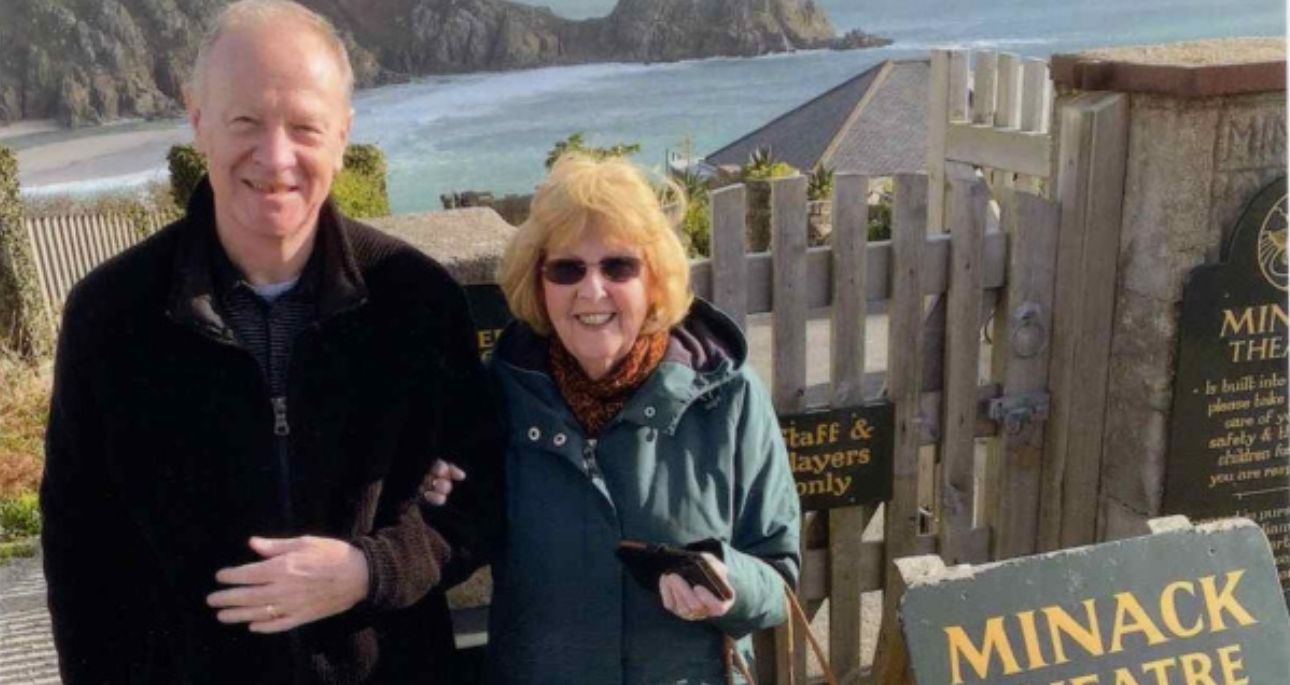
Following a speedy and successful recovery from two hip replacement surgeries with Mr Alazzawi, Hilary, from Newlyn, is now looking forward to a summer of coastal walks and activities with her grandchildren.

Here, she talks about her hip surgeries that have given this ‘Cornish girl’ a new lease of life.

Hip arthritis leading up to her surgeries

Hilary, now aged 74, did not have any trouble with her hips until her 70’s. She’d had different health conditions, requiring steroid medication that she believes must have led up to the deterioration of her hip bones.

“As a child I had eczema, and then in my 30s I had alopecia. My hair never grew back. I was on steroids for many years and I believe this is what led to my bone loss. Nobody in my family had osteoarthritis – it flared up very quickly.”

Hilary’s GP organised X-rays which indicated that both her hips were affected.

“It mystified me. I’m used to being ‘on the go’ and it just suddenly crept up on me.”

In September 2022, Hilary’s first total hip replacement for her left side was planned with Mr Alazzawi.

“From the minute he did the surgeries, I was pain free”

Hilary was very pleased with the care and attention that she received from Mr Alazzawi and his team at The Nuffield Health Parkside Hospital.

“It was just wonderful! I said to him, ‘you must have sprinkled fairy dust on my legs’ because I came out of the theatre pain free!”

Hilary was so happy with her recovery after the first operation that she wrote a poem for Mr Alazzawi (extract below):

<<“Shhhh” Don’t tell anyone. I’m sorry I made such a fuss, you have made it so good I can even use the bus.

We have now reached week no 6 and I find out if my hip has made a good fix?

Thank you Mr Alazzawi, my hip is now as good as new, Oh so much better than I knew. And if you would be so kind, would you mend my other hip next time?>>

Although Hilary had a successful recovery from her first operation, this drew attention to the discomfort and deterioration of her other hip that she could barely walk on. She received a total hip replacement on her right side in February 2024.

“My husband’s had two hips done, and he’s amazed”

Hilary completed regular physio sessions, and carried out leg exercises at home. Refusing to use crutches, Hilary managed to keep moving with her ‘ordinary walking stick’.

“I wouldn’t have even known it had been done if I hadn’t had the scar. I was just up and walking.

“Now, I can go up and down stairs. I just have to be careful now that I don’t twist it or do anything silly as it’s still early days yet.

“My husband’s had two hips done, and he’s amazed at the way I’ve been. I’m very, very lucky!”

Now, with her recovery going well, Hilary is looking forward to the summer, when she’ll be able to spend more time with her family, enjoying coastal walks and even taking a dip in the sea!

“I think for my age I’m quite active. I do quite a bit of walking and we’ve got grandchildren, some young, so we’re used to being with them. And in the summer, because I’m a Cornish girl, I’ll go into the sea!”

Living with chronic knee pain can be an excruciating experience, significantly limiting daily function and reducing quality of life.

Medical imaging techniques such as X-rays, MRIs, and other scans play a crucial role in determining the severity of knee joint damage. Based on these assessments, Mr Sulaiman Alazzawi can advise whether a full or partial knee replacement is necessary to restore mobility and alleviate pain.

In some cases, it may be possible to avoid knee replacement surgery with the option of non-surgical alternatives. However, surgery may still be needed when things don’t improve. Find out more below.

Are there non-surgical alternatives to a knee replacement?

The knees, along with the hips, are intricate joints responsible for bearing the body’s weight and providing a wide range of motion.

The functionality of these joints can be compromised by various factors, including congenital issues, growth abnormalities, injuries, or the most prevalent cause – wear and tear, leading to joint pain and reduced mobility.

Before proceeding with surgical options, non-surgical alternatives are considered. Mr Alazzawi will discuss a variety of non-surgical treatments aimed at alleviating knee pain and improving function. These treatments may include targeted physiotherapy exercises designed to strengthen the joint, pain management through medication, and joint injections to reduce inflammation and pain.

Only when these measures fail to provide sufficient relief, and daily activities like walking or climbing stairs become difficult, will joint replacement surgery be considered as a potential solution.

What are the surgical alternatives?

While knee replacement surgery is a common solution for severe knee problems, alternative surgical procedures exist that may be considered. These alternatives, however, may not offer the same long-term benefits as a knee replacement would achieve.

Procedures such as arthroscopic washout and debridement involve cleaning the knee joint and removing loose bodies or damaged tissue. This can temporarily alleviate pain and improve joint function.

Osteotomy, another option, involves cutting and realigning the bones to relieve pressure on the knee joint. Or there is mosaicplasty, a technique used to treat smaller areas of cartilage damage, that involves transplanting healthy cartilage to the damaged area.

The suitability of these procedures depends on your specific condition and should be thoroughly discussed with your surgeon when making a decision.

Why might a knee replacement be recommended?

Knee replacement surgery is typically recommended when non-surgical methods and alternative surgical options fail.

When pain, swelling, and stiffness in the knee joint severely limit mobility, affecting daily activities and sleep, a knee replacement might be the best course of action. This surgery aims to replace the damaged knee components with artificial parts, to restore function and reduce pain.

While the prospect of knee replacement surgery may seem daunting, it is often considered a last resort when other treatments fail to provide adequate relief. When non-surgical measures are no longer effective, and the quality of life is significantly compromised, knee replacement surgery becomes a viable and often necessary option to consider.

To determine if knee replacement surgery is the most suitable treatment for you, schedule an appointment with Consultant Orthopaedic Surgeon, Mr Sulaiman Allazawi.